SAS Analysis shows solar power is strengthening rural healthcare delivery in Uganda

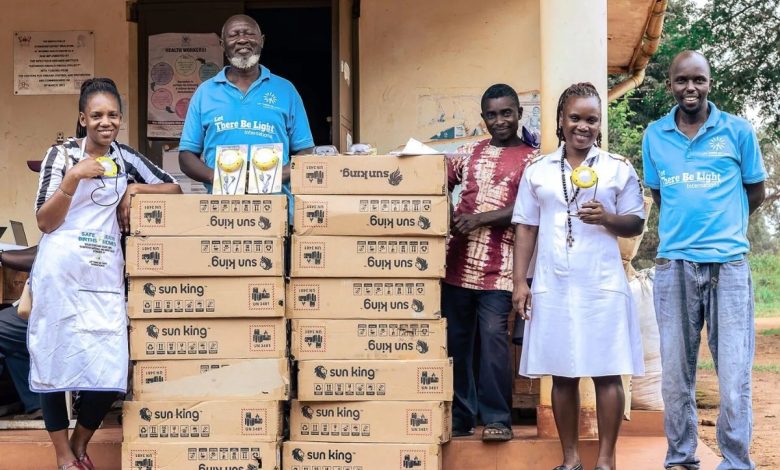
Solar power has significantly improved healthcare access and service delivery in rural Uganda, with electrified health clinics recording longer operating hours, more attended births and increased patient numbers, according to an analysis by data and artificial intelligence company SAS.
The analysis, conducted as part of a Data for Good project with Let There Be Light International, found that rural clinics with solar power operated an average of 11.5 additional hours per day. Attended births increased by 107.3%, while the clinics recorded an additional 48.9 patients per week.
The findings highlight how access to reliable electricity can directly influence healthcare delivery in communities where health facilities previously struggled to provide services after dark.
“Previously we had no reliable light and this affected our maternity service delivery at night,” said Sylvia, a midwife at a Safe Births + Healthy Homes clinic. “But with the solar lamp incentive, clinic births have more than doubled within a period of less than a year. We are happy to have a reliable light source to better handle deliveries at night and not spend money on buying disposable flash torches and kerosene. We have high hopes that many more mothers will be delivering at the health clinic instead of going to traditional birth attendants.”
The project involved SAS employee volunteers analysing more than a decade of clinic and household data collected through Let There Be Light International’s programmes, which provide solar power to rural health facilities and homes.
The household analysis covered 3,519 families participating in the Safe Births + Healthy Homes programme. Some 88.1% of respondents said solar lighting had improved health at home, while 56.9% reported experiencing fewer symptoms or illnesses.
Families also reported improvements in their ability to carry out household activities safely at night and greater confidence in caring for children after dark.
For health facilities, the data suggests that solar electrification can provide benefits beyond simply supplying electricity. Longer operating hours allow healthcare workers to remain available after sunset, particularly for mothers and newborns who may require care during the night.
“The real value of analytics was in connecting infrastructure to outcomes that matter to people,” said Naveen Sundaresan, SAS Technical Support Engineering Manager and project volunteer. “Electrification is not just about whether a clinic has power; it is about whether that power translates into longer operating hours, greater patient access, stronger maternal health capacity and more reliable care.”
Let There Be Light International said the analysis will help it identify where solar interventions can have the greatest impact and guide future programmes supporting rural communities.
“SAS analysed more than a decade of data, giving us a clearer picture of how solar power improves health and health care in off-grid communities and who benefits most,” said Hannah Schulman, Director of Programmes and Impact at Let There Be Light International. “Better understanding what really works to support mothers, clinic staff and whole communities helps us strengthen our programmes. It allows us to partner more effectively with local stakeholders and advocate for expanding solar safety net programming so that no one is left behind.”
The findings provide evidence of a link between rural solar electrification and improvements in healthcare access, maternal care and household wellbeing, offering Let There Be Light International data it can use to assess the impact of its programmes and determine where similar interventions could be expanded.
Real ESG impact doesn’t happen in panels alone, it happens in the rooms where financiers, operators, and policymakers actually align. Our GreenShift Forum 2026 cuts the noise, bringing together the people rewiring Africa’s sustainability and energy frameworks for one focused day in Nairobi. Secure your seat.
Go to TECHTRENDS.ug for more tech and business news from the African continent and across the world.
Follow us on WhatsApp, Telegram, Twitter, and Facebook, or subscribe to our weekly newsletter to ensure you don’t miss out on any future updates. Send tips to info@techtrendsmedia.co.ke
