906m Africans within coverage but offline, GSMA says

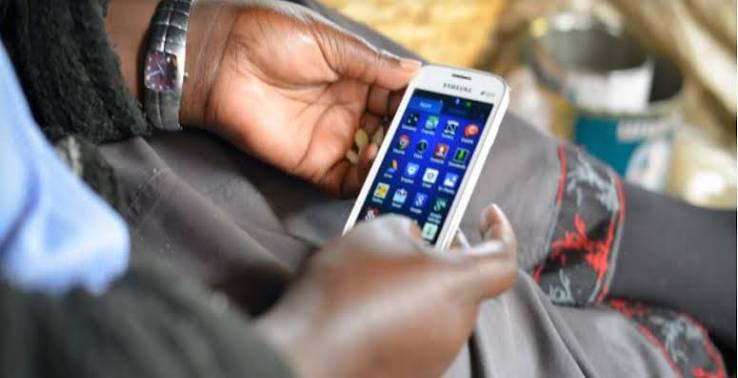
About 906 million Africans, almost 60 pc of the continent’s population, live within mobile broadband coverage but do not use the internet, according to a new roadmap by the GSMA and the Partnership for Digital Access in Africa (PDAA).
The 122 million people, or 8 pc of the population, who are beyond the reach of a network are a much smaller group. The finding shifts the focus from building networks to getting people to use them.
The roadmap, launched on Monday during the United Nations General Assembly in New York, sets out a plan to connect one billion Africans to the internet by 2030. It builds on the GSMA’s State of Mobile Internet Connectivity Report 2026, which put the global usage gap at 3.1 billion people.
It was developed by GSMA Intelligence for PDAA and draws on 11 markets, including Kenya, Uganda, Rwanda, Nigeria, Ghana, Egypt, Ethiopia, South Africa, Senegal, Niger and the Democratic Republic of the Congo.
Halving the usage gap in those markets would bring about 245 million more people online, the roadmap estimates.
It identifies three priorities. The first is moving more than 600 million legacy 2G and 3G connections to 4G and 5G networks and smartphone use.
The second is pairing energy and connectivity investment, since reliable electricity underpins network economics, device use and participation in the digital economy.
The third is cutting the cost of reaching rural and underserved communities through shared infrastructure, new technologies, outcome-based public funding and anchor demand from schools, hospitals and other public institutions.
“Africa has already built much of the network foundation for its digital future,” said John Giusti, GSMA Chief Regulatory Officer and President of the GSMA Foundation. “The urgent task now is to close the usage gap by making smartphones and services affordable, equipping people with practical skills, building trust and ensuring connectivity delivers visible value in people’s daily lives.”
PDAA chief executive Ibrahima Guimba-Saïdou said connectivity alone would not be enough. “A network can reach a community, but meaningful participation depends on the conditions around it: reliable energy, affordable devices, digital skills and services people have a reason to use,” he said.
PDAA co-chair and former Liberian president Ellen Johnson Sirleaf described the target as ambitious but achievable, provided connectivity, electrification, affordable devices and skills are tackled together and backed by genuine public-private partnership.
The roadmap says there is no single route to closing the gap. Some markets must keep expanding rural coverage and electricity access, while others need to focus on smartphone affordability, digital skills, online safety or services that give people a reason to connect.
It urges governments, industry and development partners to replace standalone projects with a coordinated delivery model spanning policy, infrastructure, energy, devices, skills and safety.
Progress should be judged on outcomes such as active internet use, access to public services, learning, healthcare, financial inclusion and productivity, rather than infrastructure rollout alone, the roadmap says.
PDAA will act as a platform to align investment pipelines, reduce duplication, share risk and help proven solutions scale across markets.
The roadmap was formally presented at the Rockefeller Foundation in New York on Monday.
Real ESG impact doesn’t happen in panels alone, it happens in the rooms where financiers, operators, and policymakers actually align. Our GreenShift Forum 2026 cuts the noise, bringing together the people rewiring Africa’s sustainability and energy frameworks for one focused day in Nairobi. Secure your seat.
Go to TECHTRENDS.ug for more tech and business news from the African continent and across the world.
Follow us on WhatsApp, Telegram, Twitter, and Facebook, or subscribe to our weekly newsletter to ensure you don’t miss out on any future updates. Send tips to editorial@techtrendsmedia.co.ke
